Forex Trading for Beginners in 2026
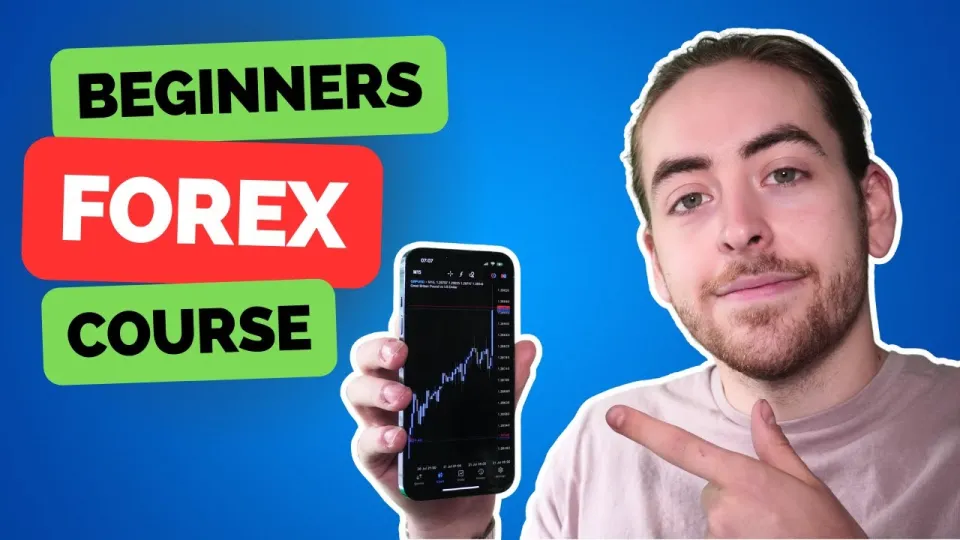
Video: Forex Trading For Beginners (FULL COURSE)
Want articles like this for your own video to promote it on YouTube and Google? Order them through the Telegram bot @sat_sit_bot. It writes articles around your video, embeds the video and publishes them on popular niche websites (no ads). Free trial — 50 articles.
· based on the channel JeaFx
Forex trading for beginners means learning the core mechanics of the foreign exchange market before placing a single trade: what currencies are traded, how profit is made, how to choose a broker, and how to build a repeatable edge. This guide distills the full beginner course from the JeaFx channel into a practical roadmap you can follow without watching the video first. For the complete class and additional resources, visit the JeaFx class page.
What Forex Is and What Is Traded
Forex, or foreign exchange, is the market where national currencies are bought and sold against each other in pairs. The most traded pair is EUR/USD, followed by USD/JPY and GBP/USD. Unlike a stock exchange, forex has no central location; it runs over-the-counter through a network of banks, brokers and electronic platforms. Trading hours span from Sunday evening to Friday evening (UTC), with the highest liquidity during the London and New York sessions. Beginners should understand that currencies are always quoted in pairs: the first currency is the base, the second is the quote, and the price tells you how much of the quote currency you need to buy one unit of the base.
How Money Is Made in Forex
Profit in forex comes from correctly predicting whether one currency will strengthen or weaken against another. If you buy EUR/USD at 1.1000 and sell at 1.1050, you gain 50 pips, which translates into profit depending on your position size. Leverage lets you control a larger position with a smaller deposit, but it magnifies both gains and losses. The key is that money is made through consistent execution of a strategy, not through luck or a single big win. Beginners should focus on understanding pip value, lot sizes and the cost of spread and commission before chasing returns.
Broker and Trading Account Setup
A reliable broker is the foundation of any trading career. Choose a broker regulated by a recognized authority (such as the FCA, ASIC or CySEC), check the spread and commission structure, and test the platform on a demo account first. When you open a live account, start with a small deposit you can afford to lose. Most brokers offer micro lots, which let you risk a few cents per pip while learning. Set up your trading platform with the indicators and timeframes you plan to use, and make sure you understand order types: market, limit and stop orders.
Building Your Market Edge
A market edge is a repeatable advantage that gives you a positive expectancy over many trades. For beginners, that means choosing one strategy, backtesting it on historical data, and tracking results in a trading journal. Focus on price action and market structure rather than stacking indicators. A simple edge could be trading a breakout of a key support or resistance level during the London session with a defined stop-loss and take-profit. The JeaFx course emphasizes that without backtesting and journaling, you cannot know whether your strategy actually works. Risk management is part of the edge: risking no more than 1% of your account per trade keeps drawdowns manageable and lets you survive losing streaks.
Mindset and Expectations for New Traders
Trading is a business, not a get-rich-quick scheme. Expect to spend months learning before you see consistent results. Many beginners fail because they treat a small account like a casino, overtrade, or risk too much per trade. A professional mindset means accepting losses as a cost of doing business, sticking to your plan, and reviewing your journal regularly. Set realistic goals: a 5–10% monthly return is considered strong for a skilled trader, and even that is not guaranteed. Protect your capital first; profits follow discipline.
Common Beginner Questions and Doubts
New traders often ask whether they need a large account to start. The answer is no: you can begin with a demo account and then a micro account with as little as $100–$500, provided you risk a tiny fraction per trade. Another common doubt is how long it takes to become profitable; most traders need at least six to twelve months of consistent practice. Some worry that forex is a scam, but with a regulated broker and proper risk control, it is a legitimate market. Finally, many beginners wonder if they can trade part-time; yes, focusing on one or two sessions (like London or New York) is enough to start.
Useful Links
- JeaFx class page — full beginner course and additional training
- JeaFx mentorship — guided trading program
- JeaFx on Instagram — daily insights and updates
- JeaFx free Telegram — community and free content
Final Thoughts
Forex trading for beginners is a skill that requires education, practice and discipline. Start with a demo account, learn the basics of currency pairs and risk management, and build a strategy you can backtest and journal. The JeaFx channel provides a structured full course that covers these foundations in detail, making it a solid starting point for your journey. Remember that most success comes from consistency and protecting your capital, not from finding a secret indicator. For the complete beginner course and further guidance, visit the JeaFx class page.
Key takeaways
- Forex is the global currency market where currencies are traded in pairs, such as EUR/USD.
- New traders should start with a demo account and a regulated broker before risking real money.
- A market edge comes from a repeatable strategy, backtesting and strict risk management.
- Risking no more than 1% per trade and journaling every setup are core habits for beginners.
- Mindset and realistic expectations separate traders who last from those who blow up accounts.
Source: Forex Trading For Beginners (FULL COURSE) · Markdown version
Questions & answers
How much money do I need to start forex trading?
You can start with a demo account for free, and then open a live micro account with as little as $100–$500. The key is to risk only a small percentage (1% or less) per trade, so your account size should be enough to absorb losses without emotional stress.
How long does it take to become profitable in forex?
Most beginners need at least six to twelve months of consistent practice, backtesting and journaling before they see steady results. Profitability depends on building a repeatable edge and mastering risk management, not on how quickly you start trading live.
Is forex trading a scam?
Forex itself is a legitimate global market, but scams exist among unregulated brokers and signal sellers. Choose a broker regulated by authorities like the FCA, ASIC or CySEC, and avoid anyone promising guaranteed returns.
Can I trade forex part-time?
Yes, many beginners trade part-time by focusing on one or two sessions, such as the London or New York session, when liquidity is highest. A simple strategy with clear rules can be executed in a few hours per week.