Trading is Simple and Effective When You Follow a Clear System and Manage Risk
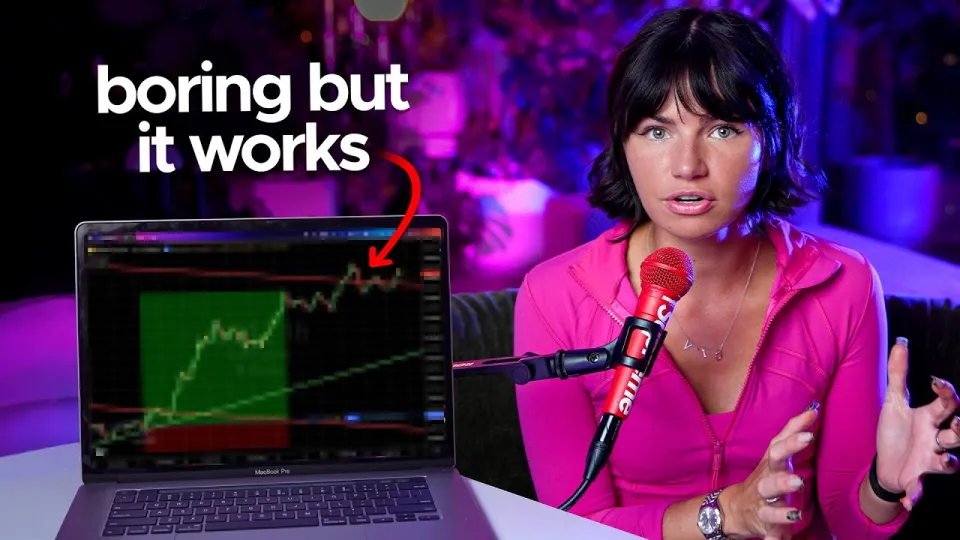
Video: Unfortunately, trading really is this simple
Want articles like this for your own video to promote it on YouTube and Google? Order them through the Telegram bot @sat_sit_bot. It writes articles around your video, embeds the video and publishes them on popular niche websites (no ads). Free trial — 50 articles.
· based on the channel Tori Trades
Trading is simple when you understand the core principles and apply a straightforward system. You don’t need an economics degree or advanced math skills to succeed in trading futures or forex. The key lies in using clear trendline strategies, managing risk effectively, and following a consistent process that you can test and refine on platforms like TradingView. For those ready to start, joining a waitlist for structured guidance can be a helpful step Join the waitlist for trading insights and bonuses.
The Core Simplicity of Trading
Trading boils down to recognizing trends and acting on clear signals rather than complex theories. The foundation is:
- Identify a trendline that defines market direction.
- Use that trendline to determine entry points.
- Set stop losses based on recent price action to limit losses.
- Exit trades when the trend shows signs of reversing.
This approach allows traders to focus on price action and market structure rather than complicated indicators or financial jargon. Many successful traders rely on such simple yet effective methods to capture consistent profits in volatile markets.
Trendline Strategy for Futures and Forex
Trendlines visually represent support and resistance levels in the market and guide traders on when to enter or exit trades. The strategy involves:
- Drawing accurate trendlines connecting swing highs or lows.
- Watching for bounces off the trendline as potential entry points.
- Confirming entries with candle patterns or volume spikes.
- Adjusting stop losses just below (for longs) or above (for shorts) the trendline to protect against false breakouts.
This technique works well in futures markets, which can be volatile but follow clear trend structures. For example, gold futures can rapidly change speed, so managing your entry and exit points relative to trendlines is essential.
Managing Risk and Placing Stop Losses
Risk management is critical in trading to protect capital from sudden adverse moves. Key points include:
- Place stop losses slightly beyond the trendline bounce point to avoid premature exits.
- Calculate position size so that a stop loss hit results in an acceptable loss, often 1-2% of the trading capital.
- Be prepared to exit quickly if the market moves against you, as futures can move rapidly within seconds.
Traders often ask how far below the trendline to place stops. A practical approach is to consider recent swing lows or highs and add a small buffer for market noise. This ensures you are not stopped out by minor fluctuations but protected from larger reversals.
Tracking Trades for Continuous Improvement
Maintaining a detailed record of your trades is vital for learning and refining your strategy. Tools like TradeZella help traders log entries, exits, reasons for trades, and outcomes. Benefits include:
- Identifying patterns in winning and losing trades.
- Understanding market conditions that favor your strategy.
- Adjusting risk parameters or entry criteria over time.
- Building confidence through data-backed decisions.
Consistently tracking trades turns trading from guesswork into a disciplined practice.
Common Questions and Real-World Insights
Many traders wonder about the nuances of trendline trading and market behavior. Some frequently discussed points are:
- How to handle volatile markets like gold, where price can spike unpredictably.
- When to take new entries if a candle reverts direction after exit.
- Differences between futures trading and stock trading, especially regarding algorithmic market moves.
- Combining trendlines with liquidity concepts for more robust entries.
Addressing these questions helps beginners avoid common pitfalls and adapt strategies to real market conditions.
Useful Links for Traders
- Join the waitlist for exclusive trading system access and bonuses: https://go.toritradez.com/waitlist-1009
- Track your trades efficiently with TradeZella (use code TORI20 for a discount): https://www.tradezella.com/?via=victoria
- Broker used by the author for futures trading: https://www.tradestation.com/promo/toritrades/
- Follow Tori Trades on Instagram for tips and updates: https://www.instagram.com/tori.trades.futures/
Final Thoughts
Trading truly is simple when you stick to a clear, tested system focusing on trendlines, risk management, and trade tracking. This approach demystifies trading and makes it accessible to anyone willing to learn and apply the steps consistently. The channel Tori Trades provides valuable insights, practical examples, and community support to develop effective futures trading skills. For a structured start, consider joining the waitlist at https://go.toritradez.com/waitlist-1009 and begin building your trading confidence today.
Key takeaways
- Trading does not require advanced economics or math skills
- Trendlines are fundamental for entry and exit decisions
- Proper stop loss placement is crucial to manage risk
- Swing and day trading strategies apply to futures markets
- Consistent tracking and review of trades improve performance
Source: Unfortunately, trading really is this simple · Markdown version
Questions & answers
Do I need advanced math or an economics degree to trade successfully?
No, trading does not require advanced math or an economics degree. Success comes from following a clear system based on price action, trendlines, and risk management.
How should I place stop losses when trading with trendlines?
Stop losses should be placed slightly beyond recent swing highs or lows near the trendline to avoid being stopped out by minor market noise while protecting against larger reversals.
What are the risks of trading volatile instruments like gold futures?
Gold futures can experience rapid price moves within seconds, so it’s essential to manage risk carefully, exit losing trades quickly, and remain vigilant to avoid large unexpected losses.
How does futures trading differ from stock trading regarding market behavior?
Futures markets often react differently than stocks, with higher volatility and different algorithmic influences. Understanding these differences helps in adapting strategies and managing risk effectively.